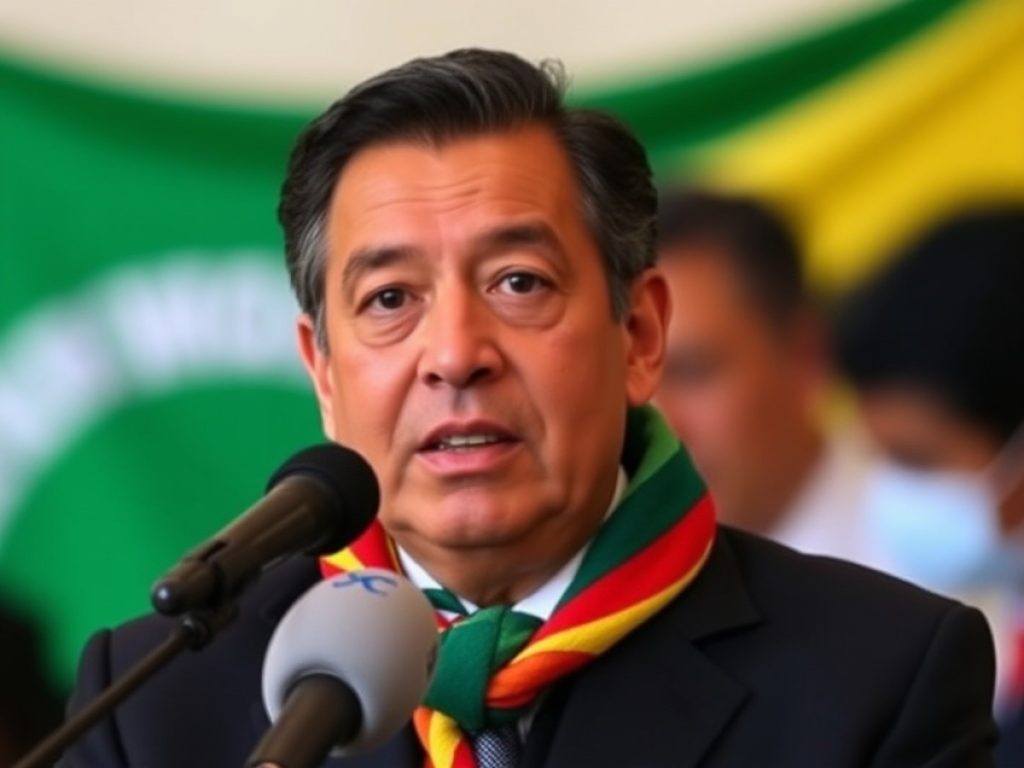
In a bold sweep of economic measures, Bolivian President Rodrigo Paz Pereira has turned the page on two decades of fuel subsidy policies while simultaneously boosting the minimum wage in an ambitious bid to stabilize the nation’s economy. During a recent address, Paz Pereira declared a state of “economic, financial, energetic, and social emergency,” marking a pivotal shift in the nation’s approach to its economic challenges. This twin strategy of cutting subsidies and increasing wages is designed to tackle inflation and energize Bolivian family incomes amid growing economic pressures.
Paz Pereira’s decision is rooted in a critical assessment of past policies, which he argues have led to significant financial drain and inefficiencies. The removal of fuel subsidies, which have long kept fuel prices artificially low, is seen as a necessary step to rectify the nation’s fiscal health. The president’s plan does not just stop at economic reforms; it extends into a broader ambition to revitalize the nation’s energy sector and introduce stronger social safety nets.
Economic Overhaul: Subsidy Cuts and Wage Hikes
The economic reforms introduced by President Rodrigo Paz Pereira are radical by any standards. For over 20 years, Bolivia has benefited from fuel subsidies, keeping the price fixed at about $0.53 USD per liter, a policy costing the state over US$2 billion annually. The new pricing structure is as follows:
– Special Gasoline: US$1 per liter
– Premium Gasoline: US$1.58 per liter
– Diesel: US$1.40 per liter
Interestingly, the price of cooking gas will remain unchanged to mitigate the impact on household budgets, demonstrating a nuanced approach to policy adjustments where necessary.
Raising the Minimum Wage
In conjunction with the subsidy cut, the government announced an increase in the national minimum wage from US$395 to US$474, set to take effect from January 2, 2026. This 20% increase is a direct measure to counterbalance the expected rise in living costs due to the subsidy cut. Furthermore, the government plans to bolster social safety nets, aiming to protect the most vulnerable sections of society from the economic transition.
Addressing Past Policies and Future Goals
President Paz took office on November 8, 2025, at a time when Bolivia was grappling with a severe shortage of US dollars, chronic fuel shortages, and rising inflation rates. He has been vocal about his criticisms of previous administrations under Evo Morales and Luis Arce Catacora, whom he accuses of “20 years of looting and waste.” His strong stance on these issues underscores his commitment to not only addressing immediate economic issues but also cleaning up what he refers to as a “sewer of extraordinary dimensions.”
Strategic Changes in the Energy Sector
Beyond fiscal adjustments, the Paz administration is also making strategic changes in the energy sector. A significant move has been the deregulation of diesel, removing it from the list of controlled substances. This change is intended to simplify the process of private importation, particularly benefiting the agro-industrial and transport sectors, which are pivotal to Bolivia’s economy.
Implications for Bolivia’s Future
The combined effect of these economic policies is expected to be profound. By freeing up resources previously tied to fuel subsidies, the government aims to reallocate funds towards more productive uses. The increase in minimum wage and the strengthening of social safety nets are intended to buffer the economic transition, ensuring that the growth is inclusive.
President Paz’s administration is charting a bold new course for Bolivia’s economy, one that seeks to stabilize the present and secure the future. With these sweeping reforms, the government hopes to foster a more resilient economy that can withstand global economic pressures and support sustainable growth. Through these measures, Paz Pereira is not just reshaping Bolivia’s economic landscape; he is also setting a precedent for how profound fiscal reforms can be approached in times of crisis.
Similar Posts
- Bolivia Ends Fuel Import Restrictions: Major Boost for Economy and Consumers!
- Colombia’s Minimum Wage Soars: President Petro Orders Major Increase!
- Bolivian Crisis: President Labels Country a “Sewer of Extraordinary Proportions”
- Bolivia Strikes Gold: Nation Completes Its First Ever Gold Futures Sale!
- Milei Slashes $1.79 Billion from Budget: Education Takes Major Hit!

Gavin Turner is a crypto market analyst with over seven years studying price fluctuations and trading volumes in the United States. He provides detailed reports on sector trends and key indicators to help you anticipate market moves. His rigorous methodology and reliable forecasts guide you in refining your crypto trading strategies.