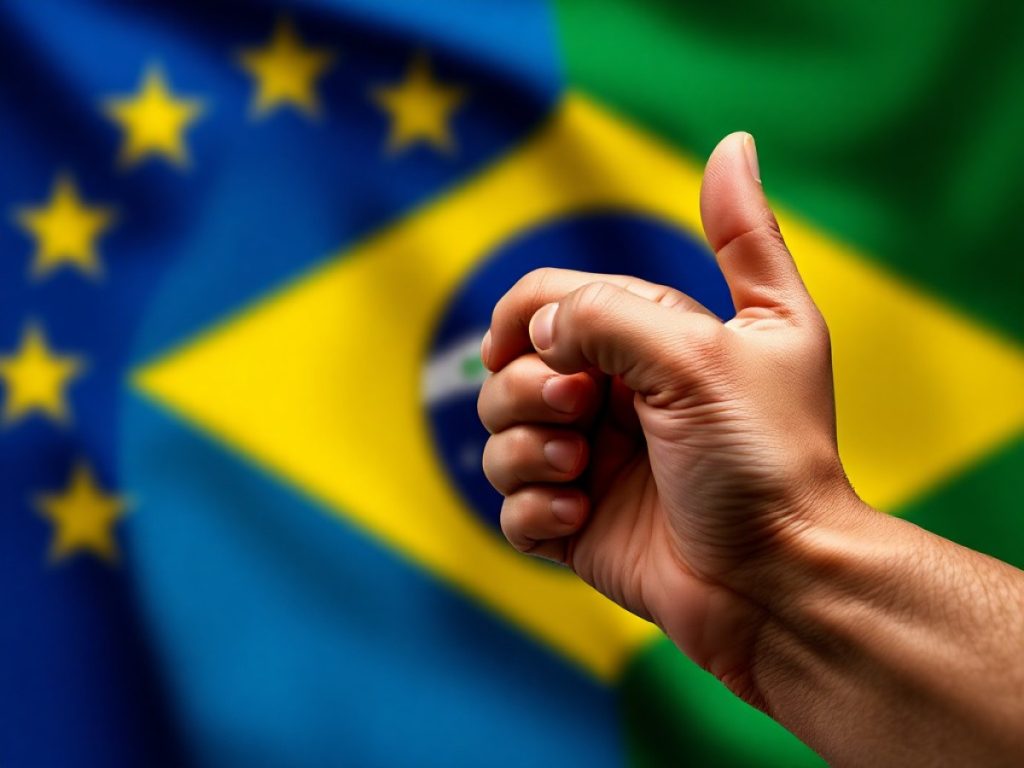
In a significant stride towards enhancing economic cooperation between South America and Europe, Brazil’s legislative bodies have given their nod to the Mercosur-European Union trade agreement. This pivotal approval by Brazil’s Congress not only underscores the country’s readiness to engage more deeply on the international trade front but also marks a critical step in solidifying the economic ties between the two regions. The unanimous decision in the Senate, following a favorable vote in the lower house, reflects a strong consensus on the benefits of the agreement which promises to reshape trade dynamics by reducing tariffs and aligning trade regulations.
The trade agreement, which has been in the making for over two decades, was officially signed earlier this year and involves a detailed plan to gradually diminish trade barriers, thereby fostering an increase in market access for a variety of goods and services. This legislative success in Brazil follows similar movements in Uruguay and Argentina, highlighting a collective momentum within Mercosur countries towards economic integration with the European bloc.
Deep Dive into the Mercosur-EU Trade Agreement
The Agreement’s Core Elements
The treaty, which spans numerous chapters, aims to create a comprehensive framework for trade between the two regions. Key highlights of the agreement include:
- **Gradual elimination** of tariffs on most goods traded between Mercosur and the EU.
- **Phase-in schedules** tailored for specific sectors to facilitate smoother economic adjustment.
- **Regulatory alignment** to reduce bureaucratic hurdles for businesses operating across continents.
Economic Implications for Mercosur and the EU
With Brazil’s ratification, attention now turns to the economic implications for both Mercosur and the EU. For Mercosur, the agreement is seen as a vital step towards:
- Expanding export markets for its products.
- Attracting foreign direct investment.
- Securing stable and predictable trade relations with the EU.
For the European Union, the agreement opens up avenues to a vibrant market in South America, offering European goods and services a competitive edge in terms of market penetration and cost efficiency.
Challenges and Controversies
Despite the widespread support, the agreement has faced its share of criticism and challenges. Concerns primarily revolve around:
- The adjustment risks for sensitive sectors within Mercosur, which might face stiff competition from European imports.
- The fears of accelerated market liberalization which could potentially disrupt local economies.
Critics argue for the inclusion of safeguards to protect these vulnerable sectors from potential negative impacts.
Looking Ahead: The European Perspective
While Mercosur countries have largely advanced the agreement through their national legislatures, the complete enactment depends on the European Union’s ratification process. The EU faces its own set of challenges, including:
- Legal and institutional hurdles within its member states.
- Domestic political pressures, particularly concerning agricultural interests which are sensitive to changes in trade policies.
European officials are considering the provisional application of parts of the deal as they continue to navigate through the complex ratification process.
Final Steps and Future Prospects
With Brazil, Uruguay, and Argentina on board, all eyes are now on Paraguay, the last founding member of Mercosur, to ratify the agreement. Expected to take up the matter soon, Paraguay’s decision could potentially seal the deal, ushering in a new era of South American and European economic cooperation. This development not only promises enhanced trade relations but also significant geopolitical implications as both regions look to cement their stance in a rapidly changing global economic landscape.
Similar Posts
- Milei Attends, Lula Absent: Mercosur and EU Seal Historic Deal in Asunción!
- Uruguay Nears EU-Mercosur Deal Ratification: Special Committee Gives Green Light!
- Brazil and Canada Eye Lucrative Deal: Renewed Talks for Mercosur Free Trade Agreement
- Uruguay, Argentina Seal EU-Mercosur Deal: Fate Now in Brussels’ Hands
- EU-Mercosur Landmark Deal: Signing Set for January 17 in Asunción!

Gavin Turner is a crypto market analyst with over seven years studying price fluctuations and trading volumes in the United States. He provides detailed reports on sector trends and key indicators to help you anticipate market moves. His rigorous methodology and reliable forecasts guide you in refining your crypto trading strategies.