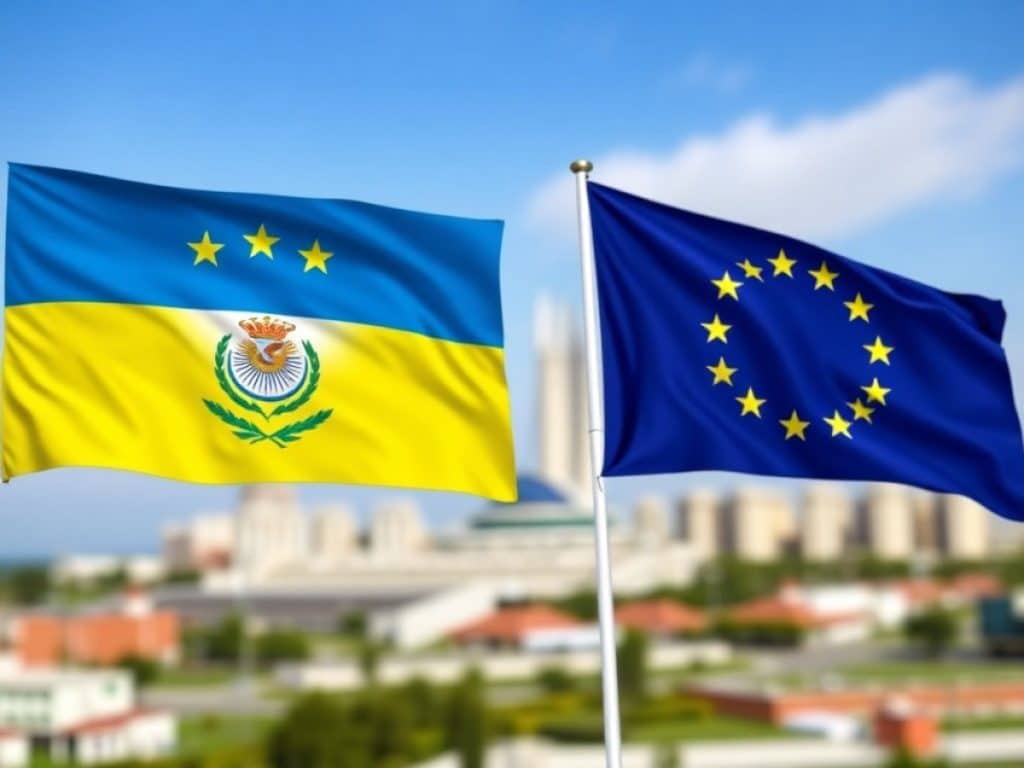
In a monumental stride toward economic integration, the Southern Common Market (Mercosur) and the European Union are poised to sign a significant Free Trade Agreement (FTA) this January 17th in Asunción, Paraguay. This pact, announced by Argentine Foreign Minister Pablo Quirno, marks the culmination of extensive negotiations and a pivotal moment in global trade dynamics. The agreement, celebrated as a landmark achievement after years of dialogue and the ironing out of complex trade and political issues, aims to unify two powerful economic blocs representing a combined population of 718 million people.
The signing ceremony, expected to be attended by numerous South American leaders, underscores the deal’s importance, reflecting decades of effort to bridge economic disparities and open up new avenues for trade and cooperation. This event not only signifies a diplomatic victory but also heralds a new era of economic potential for industries across both continents.
The Details of the Mercosur-EU Agreement
Economic Implications
The FTA between Mercosur and the EU is designed to dismantle tariffs extensively, covering 92% of Mercosur exports to the EU and 91% of EU exports to South America. This arrangement promises to invigorate the market landscape by:
– Enhancing competitive edges
– Broadening market access
– Bolstering economic ties between the two regions
Strategic Benefits for Industries
Key sectors stand to gain significantly from this agreement:
– Agriculture: 99% of Mercosur’s agricultural exports, including livestock, soybeans, and honey, will benefit from preferential treatment.
– Mining: The deal ensures access to vital minerals like graphite, nickel, and lithium, crucial for various industries from electronics to automotive.
Political and Diplomatic Achievements
Support from Leadership
Prominent leaders have voiced their support for the deal. Brazilian President Luiz Inácio Lula da Silva hailed it as a triumph for multilateralism. Meanwhile, Paraguayan President Santiago Peña, representing the current Mercosur pro tempore presidency, emphasized the historic nature of the agreement, calling it a significant opportunity for Paraguay to enhance its industrial capabilities on a global scale.
Addressing Global Challenges
The agreement emerges at a time of heightened global economic tension, particularly with rising trade issues between the US and China. European Council on Foreign Relations researcher Agathe Demarais pointed out that this deal represents an effective counter to increasing protectionism and US tariffs, positioning the Mercosur-EU pact as a strategic economic defense.
Navigating Future Challenges
Legislative Hurdles
Despite the executive agreement, the deal still faces legislative scrutiny within the European Parliament. Approximately 150 MEPs have expressed concerns, threatening legal action or resistance that could impede the treaty’s ratification.
Provisional Measures
In anticipation of potential delays in full ratification, parts of the agreement concerning political dialogue and cooperation may be provisionally applied, ensuring that some benefits of the collaboration begin to materialize while the legislative process continues.
This upcoming signing in Asunción is not merely a formal procedure but a decisive step towards knitting together diverse economies and cultures through shared economic interests. As the world watches, the success of this agreement could set a precedent for future international trade deals, redefining economic relationships on a global scale.
Similar Posts
- Argentina Leads Mercosur: Lower House Approves Pivotal EU Trade Deal
- Mercosur-EU Landmark Deal Sealed: Historic Trade Agreement Signed After 26 Years
- Milei Attends, Lula Absent: Mercosur and EU Seal Historic Deal in Asunción!
- Uruguay Nears EU-Mercosur Deal Ratification: Special Committee Gives Green Light!
- Uruguay, Argentina Seal EU-Mercosur Deal: Fate Now in Brussels’ Hands

Gavin Turner is a crypto market analyst with over seven years studying price fluctuations and trading volumes in the United States. He provides detailed reports on sector trends and key indicators to help you anticipate market moves. His rigorous methodology and reliable forecasts guide you in refining your crypto trading strategies.