Amidst the turbulent waves of global politics and economic pressures, Argentina is riding a high tide of oil production, setting new records in January that underscore the nation’s growing role in the global energy landscape. This surge in output, primarily driven by the development of the unconventional Vaca Muerta shale field, arrives at a time when the world’s eyes are fixed on the escalating tensions in the Middle East, particularly the Iran-Israel-US conflict. These geopolitical shifts are causing significant ripple effects, influencing oil prices and highlighting strategic choke points like the Strait of Hormuz.
The Surge in Argentina’s Oil Production
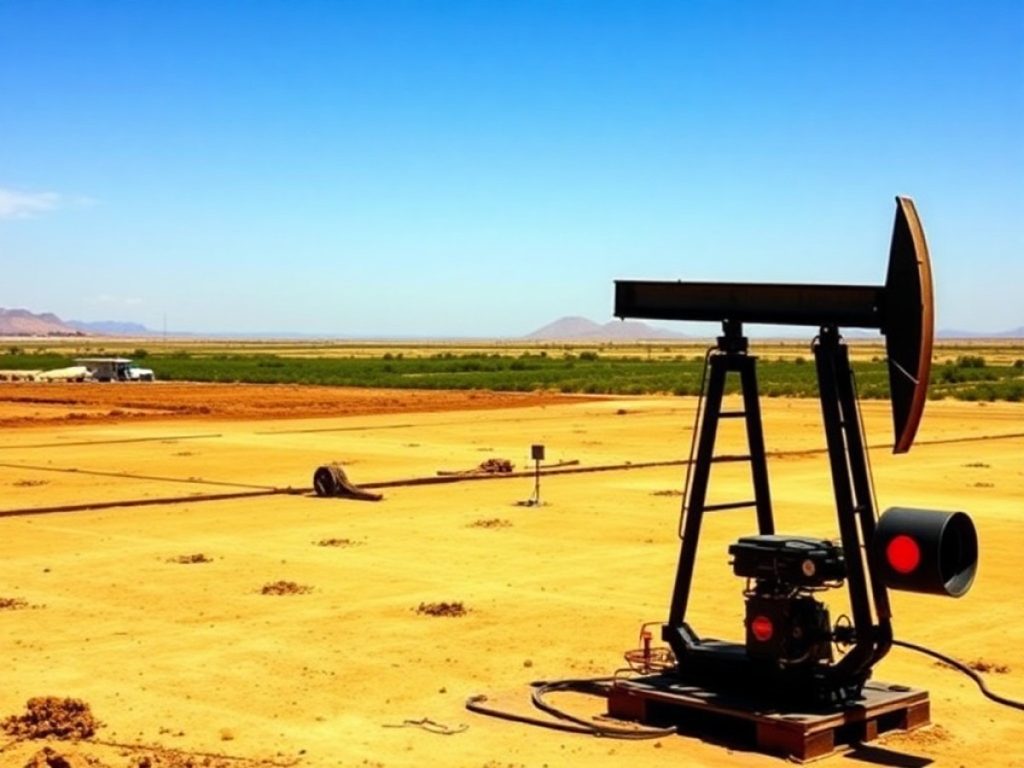
January’s figures are in, and they paint a picture of significant growth in Argentina’s oil industry. The production reached a record 4,262,675 cubic meters of crude oil, pushing past the previous record set just a month earlier. This represents a substantial 15.7% increase compared to January of the previous year. The Vaca Muerta shale field has been a pivotal factor in this growth, with production from this region alone rising by an impressive 35.5% year-over-year.
Regional Contributions to National Output
The bulk of Argentina’s oil output is concentrated in the province of Neuquén, thanks to its rich shale deposits. The data reveals that Neuquén is responsible for about 69.7% of the national total, with production figures for January standing at 2,971,259 cubic meters. This marks a growth of roughly 32% from the previous year. In contrast, other provinces have not fared as well:
- Chubut: 587,163 cubic meters (6.5% decrease)
- Santa Cruz: 255,014 cubic meters (21.5% decrease)
- Mendoza: 240,586 cubic meters (10.6% decrease)
- Río Negro, although smaller in output, showed a growth of about 7%.
Global Oil Prices and the Hormuz Impact
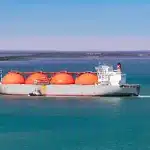
As Argentina celebrates its domestic oil boom, the global market is tense with concerns over supply disruptions due to the ongoing Middle East conflicts. The crucial Strait of Hormuz, through which approximately one-fifth of the world’s oil passes, is under heightened scrutiny. Uncertainty over safe passage through this narrow channel has led to increased oil prices and freight costs. Recent reports indicate that Brent crude oil prices have soared past $81 per barrel, with expectations of continued volatility.
Opportunities and Challenges for Argentina
The current global scenario presents a mixed bag of opportunities and challenges for Argentina. On one hand, higher global oil prices could enhance export revenues, particularly benefiting shale producers in regions like Vaca Muerta. On the other hand, these higher costs might trickle down to domestic markets, affecting fuel prices and logistics. This situation could potentially renew debates over retail price adjustments, reflecting the complex interplay between global events and local economic policies.
As Argentina navigates these choppy waters, the nation’s strategic decisions in managing its oil resources and responding to global market shifts will be crucial in shaping its economic future and energy security.
Similar Posts
- IMF Predicts Steady 4% Growth for Argentina Through 2027: Navigating a Fragile Global Economy
- Argentine Gas Powers Up Uruguay: A Crucial Boost for Electricity Generation!
- Oil Surges Past $100/Barrel: Middle East Conflict, Hormuz Disruption Threaten Supply!
- Argentina’s Investment Flaw: Report Reveals Capital Focus on Mining and Oil
- YPF Sells Gas Distribution Stake for $780 Million: Major Shift in Energy Market!

Gavin Turner is a crypto market analyst with over seven years studying price fluctuations and trading volumes in the United States. He provides detailed reports on sector trends and key indicators to help you anticipate market moves. His rigorous methodology and reliable forecasts guide you in refining your crypto trading strategies.