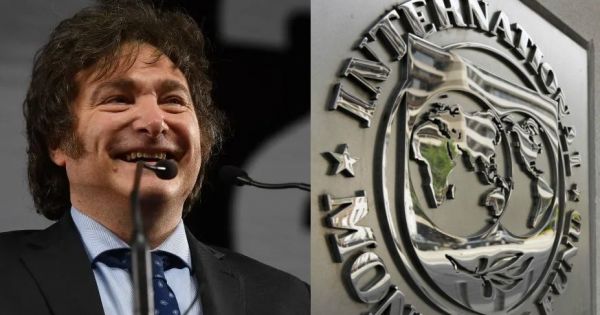
In a significant development for Argentina’s economy, the International Monetary Fund (IMF) has recently given its nod to the second review of the country’s financial aid program. This approval paves the way for a substantial disbursement of around $1 billion. This financial injection is part of a larger agreement initially settled in April 2025, which promised a total of $20 billion to aid Argentina’s economic recovery. To date, Argentina has received about $15 billion of the agreed amount. This move by the IMF is not just a routine transaction but a crucial lifeline for Argentina, which currently holds the title of the IMF’s largest debtor with obligations exceeding $57 billion.
Economic Reforms and Financial Aid
Details of the IMF Agreement
The recent staff-level agreement reached on Wednesday is a testament to Argentina’s commitment to its economic reforms. The IMF highlighted several areas where Argentina has made significant progress:
– Legislative approval of the 2026 budget
– Reforms in labor markets
– Enhancements in mining and trade agreements
– Steps towards the formalization of financial assets
Additionally, the monetary and exchange rate frameworks have seen improvements, with the Central Bank’s foreign currency purchases topping $5.5 billion this year alone.
Response from Argentina’s Economy Minister
Luis Caputo, Argentina’s Economy Minister, expressed his satisfaction with the deal from Washington, where he led the negotiations during the IMF’s spring meetings. He emphasized that this agreement marks a major step in consolidating Argentina’s macroeconomic stability, which has been a focus for the past two years. He also mentioned that this would bolster the country’s economic growth.
Challenges and Economic Indicators
Argentina’s Debt and Financial Challenges
Despite the recent positive developments, Argentina faces significant financial challenges:
– No access to international debt markets
– Due payments amounting to $3.6 billion in IMF maturities this year alone
During the first review completed in July 2025, the IMF had to provide a waiver for Argentina’s failure to meet its net reserve accumulation target. This requirement was subsequently relaxed.
Recent Economic Performance
The agreement arrives amid mixed economic signals:
– INDEC reported a March inflation rate of 3.4%, the highest monthly rate in a year
– The IMF projects a growth of 3.5% for Argentina in 2026
– Unemployment reached 7.5% at the end of 2025
– Labor informality has increased to 43%
President Javier Milei has remained firm on economic strategies despite these challenges, emphasizing a stringent monetary policy to control inflation.
Political and Social Landscape
With growing social discontent and a decline in government approval ratings, the political scenario in Argentina remains tense. The government’s steadfast approach to economic policies under these circumstances showcases a delicate balance between reform and public sentiment.
This development with the IMF could be a turning point for Argentina, offering a glimmer of hope for economic stability and growth amidst ongoing challenges. As the nation moves forward with its 23rd agreement with the IMF, the world watches closely, hoping for successful economic recovery and stability in Argentina.
Similar Posts
- IMF Boosts Argentina’s Economy: Funds Arrive in Buenos Aires, Elevating Reserves
- Argentina Strikes Deal with IMF: Key Details of the New Economic Agreement Revealed!
- Argentina Receives Financial Boost: New Aid Package Announced
- Argentina and US Seal Major Currency Swap Deal: Economic Implications Explained!
- IMF Stands by Argentina Despite Election Blow: Economic Stability in Focus

Gavin Turner is a crypto market analyst with over seven years studying price fluctuations and trading volumes in the United States. He provides detailed reports on sector trends and key indicators to help you anticipate market moves. His rigorous methodology and reliable forecasts guide you in refining your crypto trading strategies.