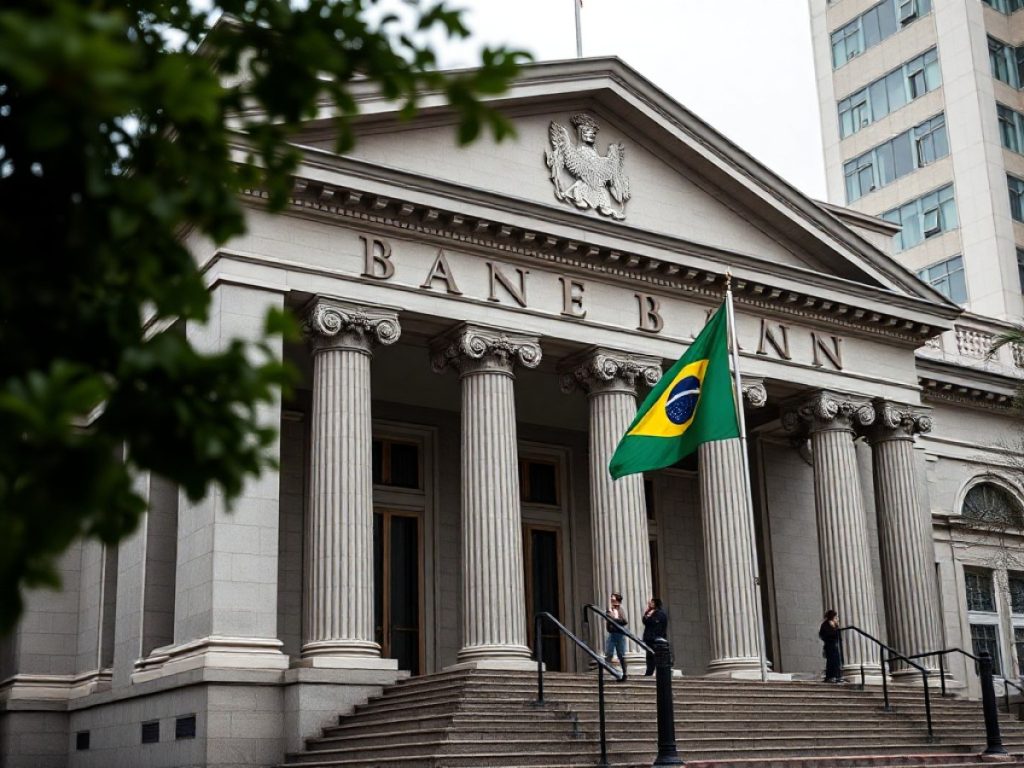
In a recent move that caught the attention of many, Brazil’s Central Bank made a notable adjustment to its principal interest rate. The announcement came after a two-day meeting of the Monetary Policy Committee, which concluded at the end of April. The decision to lower the SELIC rate by 25 basis points to 14.50% marks a significant step in the bank’s current monetary policy direction. This change is the second of its kind in as many months, indicating a trend towards loosening that analysts and market participants had been anticipating.
This decision is particularly intriguing not only because of its immediate economic implications but also due to its timing and context. It arrives amid varying economic forecasts and political uncertainties, including the upcoming presidential elections which could further influence the nation’s economic landscape.
Understanding the Rate Cut
The reduction to 14.50% was not just another policy adjustment. It was a response to several economic indicators suggesting a need to alleviate pressures from previous high rates on the nation’s growth. Despite this easing, the monetary policy stance remains restrictive, a necessary posture given the less-than-ideal inflation projections.
– **Inflation Concerns**: The Central Bank raised its inflation forecast for 2026 to 4.6%, up from 3.9%. This is still within the bank’s tolerance range of 1.5% to 4.5%, but it shows a trend towards the upper limit.
– **Economic Growth**: The GDP growth has been cooling, a factor that heavily influenced the decision to cut rates in hopes of stimulating economic activity.
Market Reactions and Future Projections
Market participants had largely anticipated the rate cut, but the Central Bank’s forward-looking statements have introduced a degree of caution. The Focus survey, which gathers opinions from various analysts, suggests that while there is room for further easing, expectations have become more conservative.
Factors Influencing Future Decisions
Several external and internal factors could influence the Central Bank’s future decisions:
– **Global Economic Conditions**: International economic events, including ongoing conflicts and trade negotiations, will play a significant role.
– **Domestic Political Climate**: The upcoming elections and the current administration’s policies are crucial. Political stability and economic policies post-election will significantly impact the bank’s decisions.
Political Overtones in Monetary Decisions
The political landscape in Brazil is heating up with President Lula’s reelection campaign underway. This political backdrop is inseparable from economic decisions, as stability and policy predictability are key to investment and economic planning.
– **Election Outcomes**: Potential changes in leadership could lead to shifts in economic policy, which would affect the Central Bank’s strategy.
– **International Relations**: Recent meetings, such as President Lula’s discussion with former U.S. President Trump, also add layers of complexity to the economic forecasts and policies.
The Central Bank has scheduled its next meeting for mid-June, where further decisions will be made based on the latest economic data and political developments. As Brazil navigates through these challenging economic and political waters, the world watches closely, understanding that the outcomes here could have far-reaching implications beyond its borders.
Similar Posts
- Chile’s Central Bank Slashes Interest Rate to 4.5%: What It Means for You!
- Bank of England Holds Rate at 3.75%: Inflation Steady at 2.8%, Despite Volatile Energy Prices
- Paraguay Slashes Interest Rates: Central Bank Acts as Inflation Dips Below Target
- Brazil’s Central Bank Slashes Selic Rate to 14.75%: Begins Easing Cycle Amid Economic Shifts
- Bank of England Freezes Interest Rates: Holds Steady at 3.75%!

Gavin Turner is a crypto market analyst with over seven years studying price fluctuations and trading volumes in the United States. He provides detailed reports on sector trends and key indicators to help you anticipate market moves. His rigorous methodology and reliable forecasts guide you in refining your crypto trading strategies.