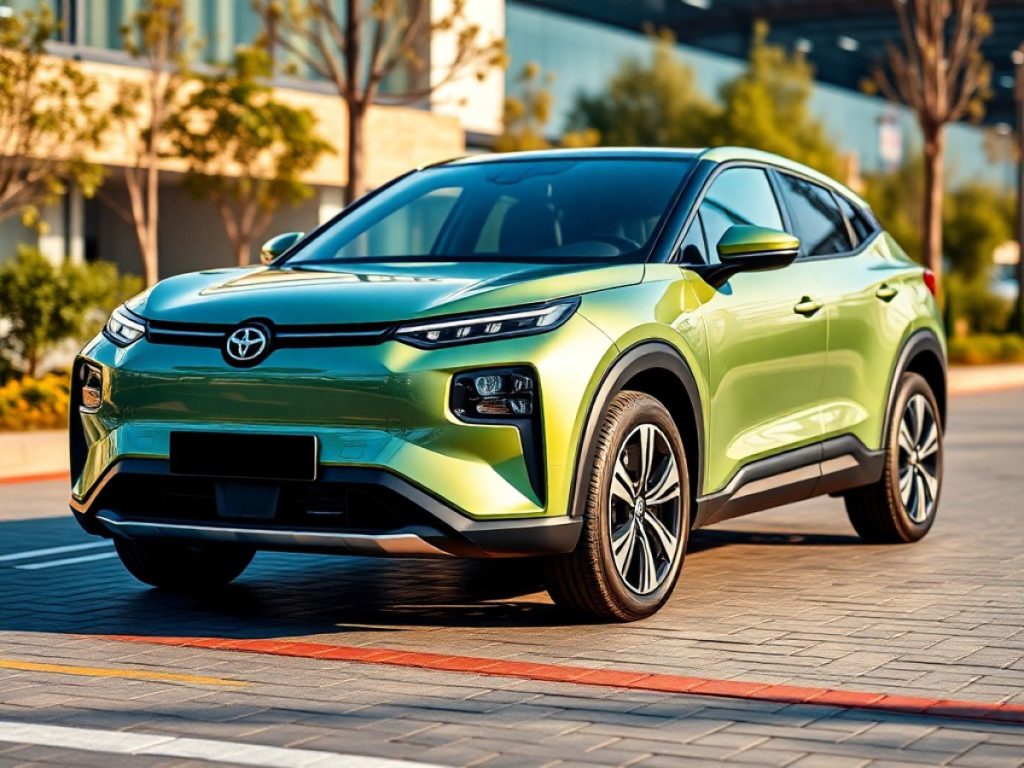
In the rapidly evolving world of automotive technology, traditional car giants from the US, Europe, and Japan find themselves in a relentless battle to keep up with Chinese manufacturers. These manufacturers have not only taken the lead in electric vehicle production but have also excelled in battery technology, industrial design, and software development. This shift in the automotive landscape was highlighted during the recent Auto China 2026, the pinnacle of motor shows globally, sparking candid admissions from industry leaders about the daunting challenges they face.
The Chinese Technological Leap
At the forefront of this revolution are Chinese firms like BYD, which have pioneered ultra-fast charging systems that can rejuvenate electric vehicles with 400 kilometers of range in just five minutes. Meanwhile, the production efficiency of these manufacturers is staggering, with the Xiaomi factory churning out a new vehicle every 76 seconds. This level of innovation and efficiency has not only captured domestic markets but is also aggressively expanding globally.
Cost Advantages and Market Response
The cost of producing electric vehicles like a small SUV in China is now at least 30% less expensive than in more developed economies. This price advantage stems largely from cheaper battery production and a robust, integrated supply chain. The impact on global markets has been profound, with foreign automakers seeing their market share in China halve from 64% in 2020 to 32% in 2026. Additionally, luxury Chinese vehicles such as the Huawei Maextro S800 have begun to dominate, outselling established luxury models like the Porsche Panamera and BMW 7 Series in China.
Strategic Alliances and Acquisitions
Recognizing the need to adapt, traditional car manufacturers are seeking partnerships and technology sharing agreements. Stellantis has inked a deal worth one billion euros with Dongfeng, a Chinese state-owned enterprise, to produce vehicles for both domestic and export markets. Similarly, Volkswagen invested USD 700 million to access cutting-edge software and autonomous driving technologies from XPeng, acknowledging that such advancements could not be internally developed within necessary timelines.
Global Expansion Amidst Trade Barriers
Despite facing significant tariffs—up to 45% in Europe and over 100% in the US—Chinese car manufacturers are steadily making inroads into these markets. Companies like BYD, Chery, and SAIC are not only focusing on Europe but also on other emerging markets. The Chery Jaecoo 7, for instance, became a top seller in the UK within just fourteen months of its launch. Furthermore, XPeng is diversifying its technological endeavors by prioritizing the development of humanoid robots and flying cars, alongside its electric vehicle lineup.
Automotive Executives on the Future
The tone among executives from traditional automotive powerhouses has been one of cautious acknowledgment of the challenges ahead. Honda President Toshihiro Mibe, after a visit to a highly automated plant in Shanghai, expressed doubts about competing under current conditions, stating, “We have no chance against this.” Ford’s CEO Jim Farley echoed this sentiment, emphasizing that Western carmakers are “in a fight for our lives.”
Market Projections and Adaptations
As China plans to expand its annual vehicle exports, which currently include nearly half being electric vehicles, the global automotive landscape continues to shift. Western automakers are not only expanding their operations within China but are also leveraging Chinese technological advancements in their international offerings. This strategic pivot is crucial as they reposition themselves in a market that is increasingly led by innovation and efficiency.
With the automotive industry at a pivotal juncture, the actions and adaptations of traditional carmakers in the face of Chinese technological advancement will determine their roles in the future global market. The race is not only about catching up but also about integrating and possibly leading through innovation in collaboration.
Similar Posts
- Uruguay Tops Latin America: Electric Car Sales Surge Ahead!
- China Advances Yuan Stablecoin: Now Used in Oil Trading Transactions!
- Trump Slashes Tariffs on China: Breakthrough Deal with Xi Jinping
- Mexico Overhauls Footwear Import Rules: New Standards to Impact Global Trade!
- Argentina Slashes Export Duties: Impact Shakes Chicago Board of Trade!

Gavin Turner is a crypto market analyst with over seven years studying price fluctuations and trading volumes in the United States. He provides detailed reports on sector trends and key indicators to help you anticipate market moves. His rigorous methodology and reliable forecasts guide you in refining your crypto trading strategies.