In a dramatic turn of events that could shape the future of South America’s economic landscape, Argentina’s major waterway concession has come under scrutiny. The Paraná-Paraguay waterway, a crucial artery for the continent’s trade, is at the center of a heated debate following allegations of irregularities in the tender process. The government, led by Javier Milei, has proceeded with the concession despite warnings from the Public Prosecutor’s Office of potential legal repercussions. This development has spurred a backlash from the opposition, with demands for a halt and reassessment of the process.
The Contenders and the Concession
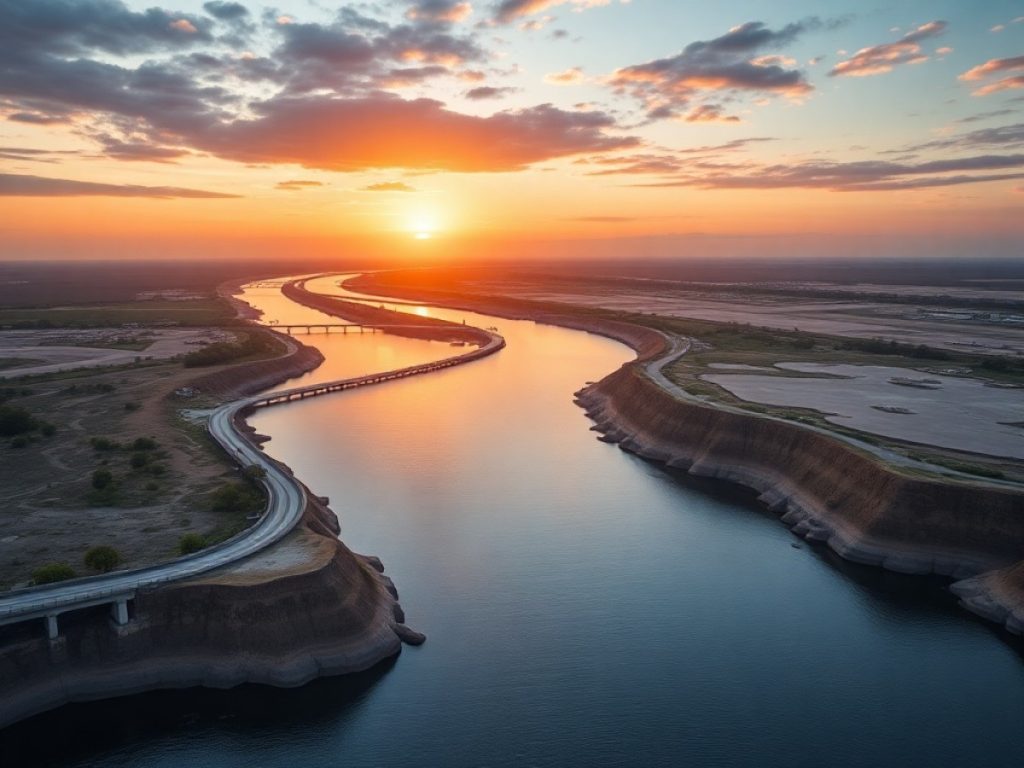
The Paraná-Paraguay waterway, stretching from the confluence of the Paraná and Paraguay rivers to the Río de la Plata, is not just any trade route. Two international consortia have made it to the final rounds of bidding for a 25-year toll concession that promises substantial returns. The Belgian firm Jan De Nul, in partnership with Argentina’s Servimagnus, and another Belgian heavyweight, Dredging, Environmental & Marine Engineering (DEME), are the finalists. The winner is expected to unlock annual toll revenues nearing USD 600 million, with investments projected over USD 10 billion.
Legal and Opposition Challenges
Despite the economic stakes, the tender process has been marred by controversy:
– The Public Prosecutor’s Office has flagged the process for “serious and obvious irregularities.”
– The drafting of the tender documents, particularly the anti-corruption clause and the conditions for contract assignment, has been criticized.
– There’s an absence of a comprehensive environmental impact assessment and shortcomings in the public consultation procedure.
These issues have not only drawn criticism from legal bodies but have also rallied the opposition. Peronist congressman Jorge Taiana has introduced a bill demanding the suspension of the tender process. His bill advocates for comprehensive environmental studies, renewed public participation, and adherence to transparency and equality principles.
Economic and Strategic Importance
The Paraná-Paraguay waterway is more than just a channel of water; it’s a vital economic lifeline:
– It handles about 80% of Argentina’s agroindustrial exports.
– The waterway serves as a crucial maritime outlet for Mercosur countries, including Brazil, Bolivia, Paraguay, and Uruguay.
This makes the waterway not only a pivotal asset in Argentina’s infrastructure but also a critical element in the regional logistics and trade corridor. The outcome of this tender process could significantly influence the economic dynamics in the Southern Cone.
The unfolding events around the Paraná-Paraguay waterway concession are a testament to the complexities of managing public assets in a way that balances economic benefits with legal and ethical standards. As the situation develops, it will undoubtedly draw further scrutiny from various sectors within Argentina and beyond.
Similar Posts
- Major Progress on Capricorn Bioceanic Corridor: A New Link Between Atlantic and Pacific
- Peña Touts Paraguay as Top Investment Hub: Engages Brazilian Business Leaders
- Uruguay, Argentina Seal EU-Mercosur Deal: Fate Now in Brussels’ Hands
- Uruguay Nears EU-Mercosur Deal Ratification: Special Committee Gives Green Light!
- Paraguay’s Trade Deficit Hits $162M in January: Exports See Sharp Decline

Gavin Turner is a crypto market analyst with over seven years studying price fluctuations and trading volumes in the United States. He provides detailed reports on sector trends and key indicators to help you anticipate market moves. His rigorous methodology and reliable forecasts guide you in refining your crypto trading strategies.