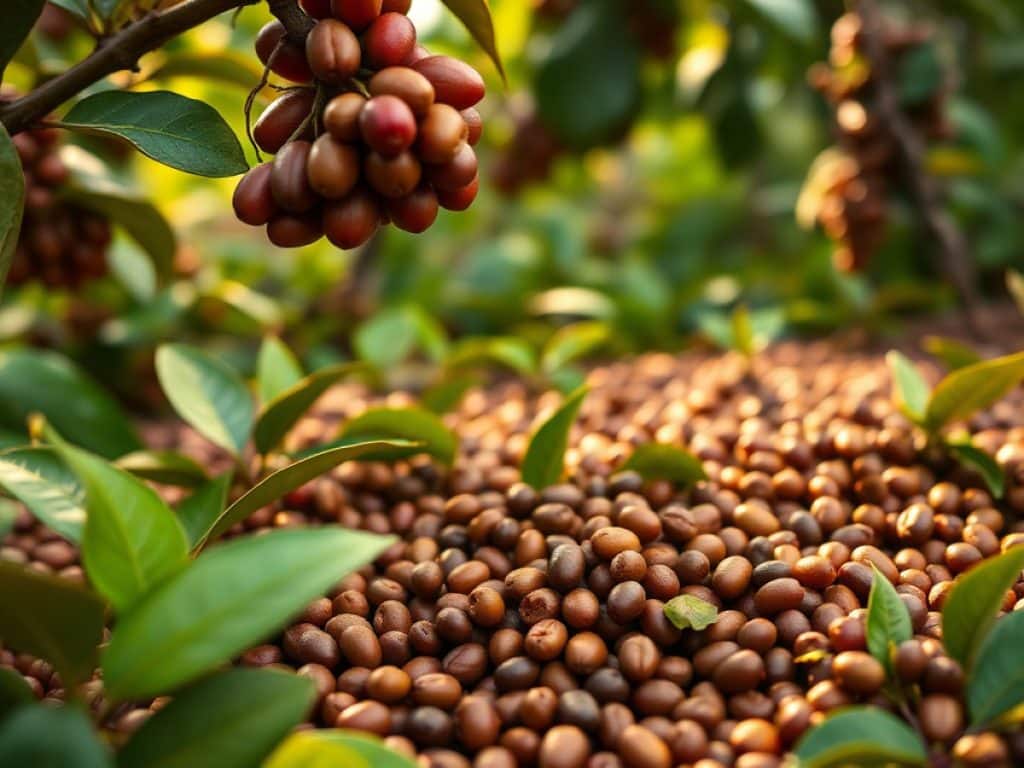
As the sun rises over the vast coffee plantations of Brazil, the air is thick not just with the aroma of fresh beans but also with a sense of unease. January witnessed a significant slump in the nation’s coffee exports, a development that has stirred concerns across global markets. Brazil, renowned as the world’s largest producer of coffee, saw its export figures plummet by 31% in the first month of 2026. This downturn is not just a number—it’s a signal, perhaps indicative of deeper undercurrents affecting the global coffee trade.
The Numbers at a Glance
In January 2026, Brazil exported a total of 2.78 million 60-kg bags of coffee, marking a sharp decline of 30.8% compared to January 2025. The financial impact of this drop is palpable, with export revenues reaching only US$1.175 billion, down by 11.7% from the previous year. These figures, released by the Brazilian Coffee Exporters Council (Cecafé), paint a stark picture of the challenges facing the country’s coffee sector.
Factors Influencing the Decline
Márcio Ferreira, the president of Cecafé, attributes the significant decrease in exports to several key factors. Predominantly, the dip in international coffee prices has played a crucial role. Expectations of a record coffee crop in 2026 have led to a tepid international market, discouraging robust trading activities.
Shifts in Coffee Demand
Domestically, the demand dynamics are also shifting. As supplies of arabica beans tighten, Brazilian consumers are increasingly turning to robusta coffee. This shift is crucial as it directly impacts the volume and type of coffee beans exported. Ferreira suggests that this trend might continue until the next harvest, which is expected to commence in June 2026.
Global Trade Dynamics
The changes in Brazil’s coffee exports are reflected in the trade patterns with key importing countries. Germany, which regained its position as the top importer of Brazilian coffee in January 2026, received 391,704 bags, constituting 14.1% of the total exports. However, this figure represents a 16.1% decline compared to the previous year. Meanwhile, the United States, which ranks second, saw an even steeper fall in imports, with volumes dropping by 46.7%.
Impact of Tariffs on Trade
The international trade environment is further complicated by tariffs. For instance, Brazil’s instant coffee industry is currently grappling with a 50% U.S. tariff that affects regular instant coffee, whereas other coffee categories are exempt. This policy discrepancy has prompted calls for clarity and potentially equitable treatment across different segments of the coffee market.
Looking Ahead
Despite the current downturn, Brazil’s coffee industry has demonstrated resilience in the past. The nation achieved record coffee export revenues in 2025, despite lower shipment volumes. As stakeholders across the spectrum from farmers to exporters navigate through these turbulent times, the coming months will be crucial in shaping the future trajectory of Brazil’s coffee exports. The global coffee market remains watchful, hoping for a rebound that could stabilize the industry and restore the robust trade flows that characterize this vital sector.
Similar Posts
- Brazil Secures Export Deals with Philippines, Guatemala, Nicaragua: Trade Barriers Lifted!
- Paraguay’s Trade Deficit Hits $162M in January: Exports See Sharp Decline
- Brazil Explores New Export Markets: Navigates Through US Trade Barriers
- Trump Slashes 40% Tariffs on 212 Brazilian Goods: Major Trade Relief Announced!
- Brazil’s Exports Surge as Argentina’s Economy Rebounds: A Cross-Border Success Story

Gavin Turner is a crypto market analyst with over seven years studying price fluctuations and trading volumes in the United States. He provides detailed reports on sector trends and key indicators to help you anticipate market moves. His rigorous methodology and reliable forecasts guide you in refining your crypto trading strategies.