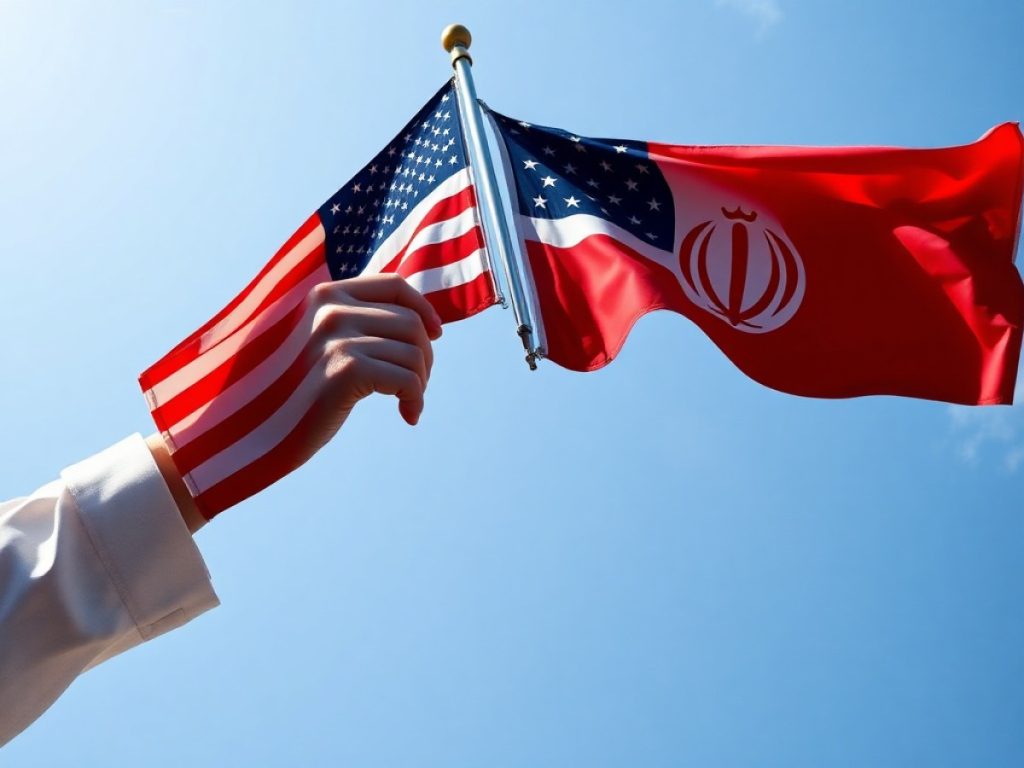
In a groundbreaking move that could reshape Middle Eastern geopolitics, the United States and Iran have agreed on a comprehensive memorandum that aims to put an end to longstanding hostilities and pave the way for a robust economic recovery plan. Labelled the “Islamabad Memorandum of Understanding,” this agreement outlines a series of ambitious steps including the reopening of the crucial Strait of Hormuz, a massive $300 billion reconstruction initiative for Iran, and a series of sanctions relief measures expected to rejuvenate Iran’s economy. The agreement, set to be signed in Switzerland, marks a significant pivot in diplomatic relations between the two nations, potentially heralding a new era of cooperation and stability in the region.
Key Components of the Islamabad Memorandum
Immediate Ceasefire and Future Military Operations
The memorandum declares a swift and irrevocable cessation of all military activities by both parties. This includes operations in Lebanon, where both the United States and Iran have agreed to respect the nation’s sovereignty and integrity. A broader commitment was made to avoid interference in each other’s domestic affairs, setting a precedent for mutual respect and sovereign equality.
Strategic Reopening of the Strait of Hormuz
Crucial to global oil markets, the Strait of Hormuz is set to be reopened under the terms of the memorandum. The U.S. will begin by lifting the naval blockade immediately after the memorandum’s signing, with a complete cessation of the blockade within 30 days. Iran, on the other hand, has committed to ensuring the safe passage of merchant ships and to the quick demining of the strait. Future discussions with Oman and other Persian Gulf coastal states are planned to ensure long-term stability and administration of the strait.
Economic Recovery and Sanctions Relief
Reconstruction and Investment
A cornerstone of the memorandum is the economic revival of Iran, with the United States and its regional partners pledging at least $300 billion towards rebuilding the nation’s infrastructure and economy. This extensive plan covers various sectors, aiming to jumpstart economic growth and improve living standards for the Iranian population.
Sanction Lifting Schedule
The agreement includes a detailed schedule for lifting international sanctions that have long stifled Iran’s economic potential. This includes sanctions imposed by the UN Security Council, the International Atomic Energy Agency, and unilateral U.S. sanctions. In alignment with the easing of sanctions, the U.S. Treasury will issue waivers for the export of Iranian oil, and Iran’s previously frozen funds will be released, providing a much-needed liquidity boost to the Iranian economy.
Nuclear Agreement and Oversight
Nuclear Weapons and Material Handling
Iran has reiterated its commitment to not acquire or develop nuclear weapons. A joint mechanism is to be established to manage the fate of enriched nuclear material, with a minimum requirement that it be denatured on-site under the supervision of the International Atomic Energy Agency. Discussions regarding the enrichment capabilities and their scope will be part of the final negotiations.
Monitoring and Compliance
An oversight mechanism will be implemented to ensure that all aspects of the memorandum are adhered to. The final agreement, which will incorporate all these elements, is set to be ratified through a binding U.N. Security Council resolution, adding a layer of international legal validity to the commitments made.
Despite the comprehensive nature of this agreement, it notably excludes negotiations on missile programs and does not address the release of approximately $24 billion in disputed Iranian assets. Furthermore, Israel, not a party to the negotiations, has not recognized the terms of the agreement, highlighting ongoing regional complexities and challenges.
This memorandum, while a monumental step towards peace and economic recovery, sets the stage for intricate diplomatic engagements and negotiations that will likely unfold over the coming months, as stakeholders and regional actors scrutinize the details and implications of this historic accord.
Similar Posts
- Trump Orders Total Blockade of Strait of Hormuz: Escalating Gulf Crisis
- Iran Declares Hormuz Fully Open Until Ceasefire Ends: Trump Upholds Iranian Port Blockade
- Haddad on Iran Conflict: Why Brazil’s Economy Won’t Be Hit Immediately
- Brazilian Stocks Tumble as US-Iran Deal Crashes Oil Prices: Petrobras Takes Major Hit!
- Trump Disrupts Lula’s Trade Surplus Celebration with Iran: Tensions Rise!

Gavin Turner is a crypto market analyst with over seven years studying price fluctuations and trading volumes in the United States. He provides detailed reports on sector trends and key indicators to help you anticipate market moves. His rigorous methodology and reliable forecasts guide you in refining your crypto trading strategies.