In the bustling heart of Argentina’s economy, small and medium-sized enterprises (SMEs) are feeling the pinch. The Argentine Confederation of Medium-Sized Enterprises (CAME), once a supporter of President Javier Milei’s economic policies, has begun to voice serious concerns. These businesses, pivotal to the nation’s economic fabric, find themselves caught in a storm of market changes and policy adjustments that threaten their very existence. The dual forces of increased importation and diminished consumer spending have created a daunting challenge for these enterprises, leading to a series of business closures and increasing economic uncertainty.
The Troubling Economic Landscape for SMEs
The President of CAME, Ricardo Diab, has pointed out what he describes as a “negative cycle” affecting both the industrial and commercial sectors. Initially, CAME had thrown its support behind Milei’s economic reforms, which included measures to open up the economy to more imports. However, the expected boost in business activity has not materialized. Instead, Diab has highlighted the lack of recovery in consumer spending as a major issue. This dip in demand means fewer sales for domestically produced goods, resulting in slower manufacturing outputs.
Struggling Against Imports
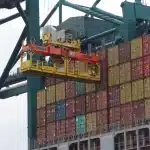
The openness to imports, while theoretically a move towards global competitiveness, has placed local companies at a disadvantage. Diab notes, “Many companies see that they are not competitive with products that come mainly from China.” This trend is not only limited to large enterprises but also affects smaller companies across various sectors, including those that had never dealt with imports before. Traditional strongholds like the food industry are also feeling the pressure, pushing businesses to contemplate alternative strategies.
Examples of Economic Strain
Recent closures have made headlines, underscoring the severity of the situation. Whirlpool, a major appliance manufacturer, recently shut down operations, leaving 220 employees jobless. Similarly, the dairy company La Suipachense also ceased operations. These are not isolated incidents but rather indicators of a broader trend of economic downturn within the SME sector.
The Tax Burden and Its Impact
Another significant hurdle for these businesses is the high tax burden. Diab criticized the tax policies that he believes severely undercut the international competitiveness of local companies. “If we know that any of our products are automatically subject to a 50% tax, we are already starting from a tax situation that is very difficult to resolve,” he explained. This heavy taxation, coupled with reduced domestic demand, creates a dual challenge that many businesses are struggling to overcome.
Employment and Labor Legislation
The decline in business has direct implications for employment. Diab expressed concern over the current job market, noting that “in general terms, there is no activity that is demanding employment.” While acknowledging the need for reform in labor legislation, he emphasized that such changes would be insufficient without a corresponding increase in productive demand.
Communication Challenges with the Government
Amid these economic challenges, CAME’s communication with the government has been fraught with difficulties. Diab described the government’s approach as overly focused on macroeconomic factors, with little intervention in matters affecting the private sector. This lack of engagement, according to Diab, further complicates the ability of SMEs to navigate through the current economic landscape.
As SMEs continue to navigate these treacherous waters, the need for a balanced approach to economic reform becomes increasingly apparent. The survival of these businesses is crucial not only for the economy but for the social fabric of Argentina itself.
Similar Posts
- Uruguay Unveils Bold Economic Measures: Plans Set to Propel Growth!
- Argentine Retail Crisis: Sales Plunge as Wage Issues Escalate
- Argentina Retail Crisis: Even Mother’s Day Sales Hit Hard!
- Argentina’s Economy Stagnates: Experts Reveal Prolonged Economic Challenges
- Argentina’s Struggle Under Milei: The Guardian Exposes Economic Hardships

Gavin Turner is a crypto market analyst with over seven years studying price fluctuations and trading volumes in the United States. He provides detailed reports on sector trends and key indicators to help you anticipate market moves. His rigorous methodology and reliable forecasts guide you in refining your crypto trading strategies.